

- Introduction
- Types of road maintenance
- Surface dressing and micro-asphalt
- Fine milling on concrete roads
- High speed roads
- Road markings
- Pavements
- Drainage
- Manhole cover defects
- Bridges and structures
- Get involved
- How we deal with voids, subsidence and sinkholes in roads and pavements
What is fine milling?
Fine milling is a way of repairing roads that is both cost-effective and better for the environment. Instead of adding a new layer of asphalt, it removes the old damaged surface and restores the concrete road underneath.
The process smooths out uneven sections of road where concrete slabs have moved and created bumps. It also improves grip by treating the concrete surface and repairs joints and cracks using specialist materials. If parts of the concrete are badly damaged, these can also be repaired.
What are the benefits of fine milling?
In the past, we spent up to £1 million each year replacing thin layers of asphalt on top of concrete roads. Although this improved grip and appearance, the asphalt often started to break up after four to five years, leaving shallow potholes and rough surfaces.
Fine milling is a longer-lasting alternative. It helps extend the life of roads where the asphalt surface is peeling away and can reduce the need for future resurfacing.
The process costs about the same as applying a new thin asphalt surface. While we spend more on durable repair materials, we save money by not having to replace the asphalt layer.
Fine milling is also better for the environment. It reduces the need for new road materials to be made and transported, cutting emissions and waste.
Why are there times when no work is being carried out?
Fine milling involves several stages, and each stage is carried out by a specialist contractor. We try to schedule the work so that each stage follows the last as closely as possible. However, delays can happen because of bad weather, unexpected problems, or contractor availability. We also do not always know the condition of the road beneath the surface until work begins. Sometimes extra repairs are needed, which can affect the programme.
How will the fine milling works affect me?
We will make sure you can still get to and from your home or business. However, some delays may be unavoidable while work is taking place. If you need help, please speak to a member of the team on site. Most access issues can be resolved quickly.
The programme is weather-dependent and may change at short notice. Please check on-site signs for updates. You can also follow progress using the roadworks map at one.network.
It is important that vehicles are parked elsewhere during the works. Vehicles left in the work area may need to be moved.
What will my road look like after the works are completed?
Fine milling leaves a durable, low-maintenance road surface and helps extend the life of the road.
The process is mainly used on concrete roads where the top asphalt layer is breaking up. Once this layer is removed, the concrete surface is repaired and levelled. A new black asphalt layer is not added.
Joints, edges and larger cracks are filled with specialist repair materials. These repairs are then covered with a protective resin. Over time, the colour of the repairs will blend in more closely with the surrounding concrete
Any repaired or patched areas will gradually weather and become less noticeable, helping the road surface look more uniform.
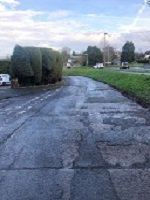

Please note that there will be no black asphalt surface re-applied.